
Energy and Critical Infrastructure

Sectors

Energy and Critical Infrastructure

Reliable power distribution, backup and monitoring systems for critical facilities.

Critical loads separated in the facility's power map

Load and distribution architecture

Critical loads separated in the facility's power map

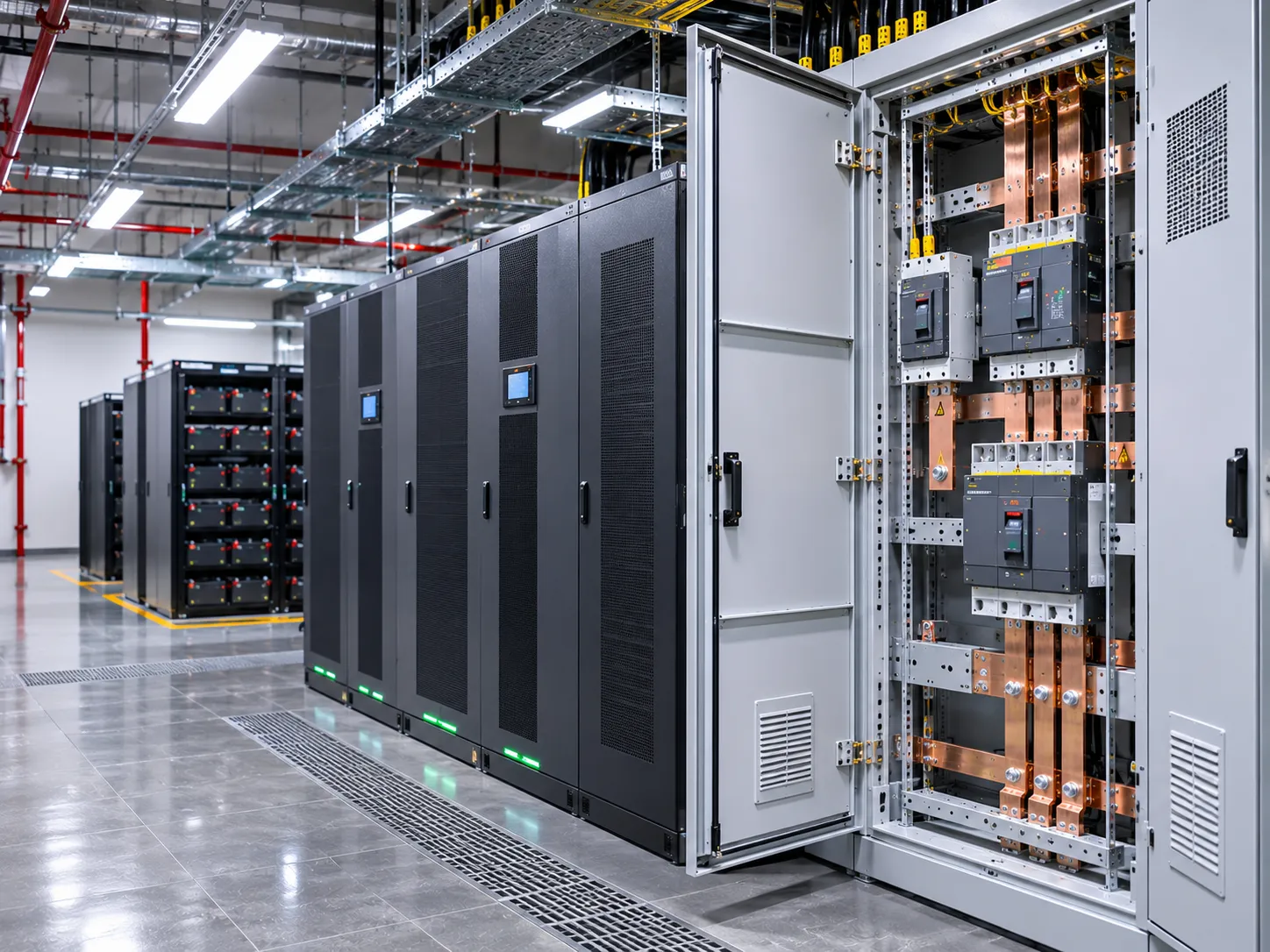
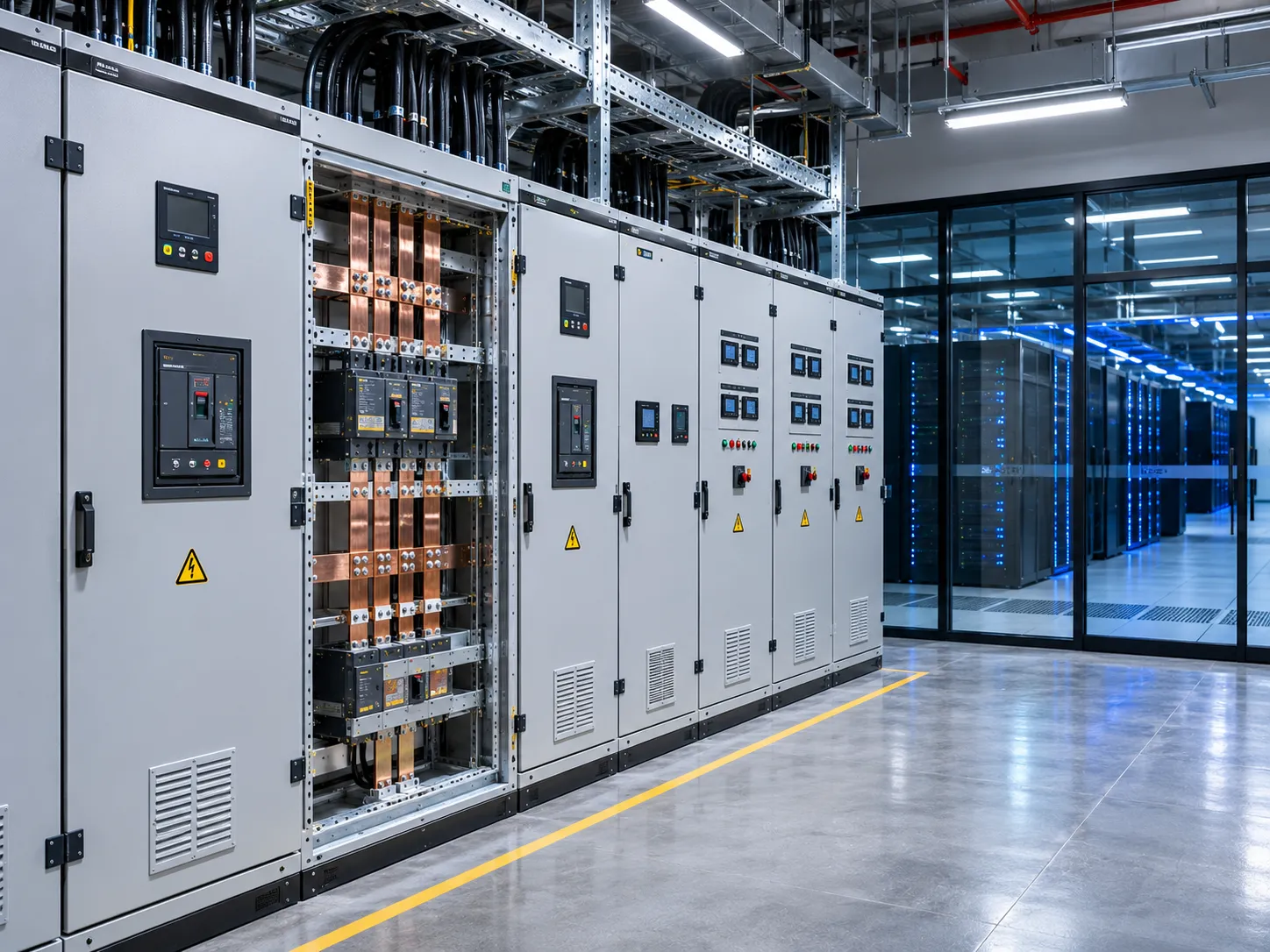
At hospitals, data centres, production facilities and similar critical operations, loads and acceptable outage durations are defined first. Distribution panels are designed to separate critical from non-critical circuits and support maintenance and fault scenarios.

  • Load inventory and prioritisation
  • Main and sub-distribution stages
  • Protection coordination and selectivity
  • Safe access and isolation during maintenance
Utility, generator and UPS assessed in one scenario

Backup sources and transfer

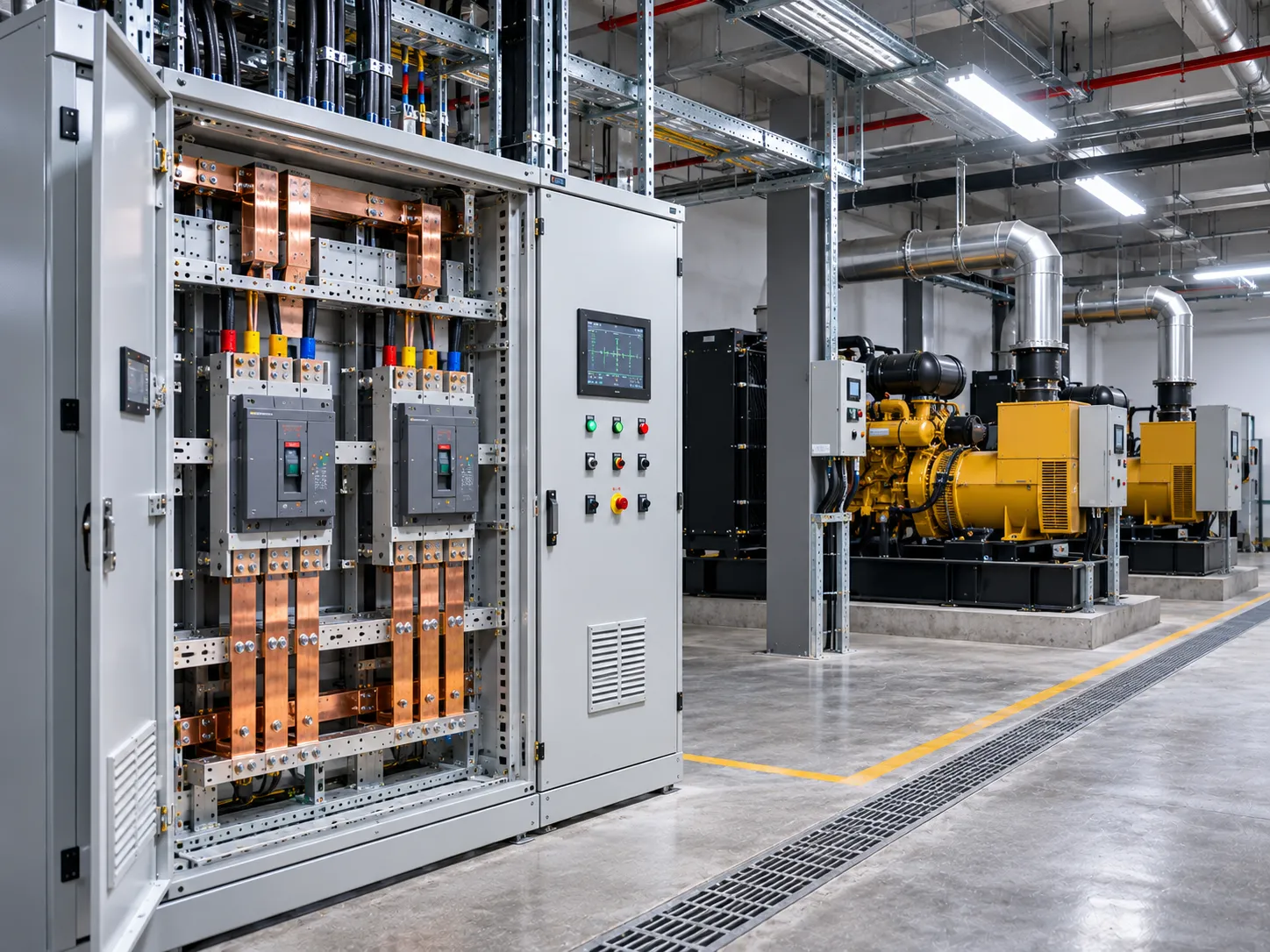
Utility, generator and UPS assessed in one scenario

Redundant supply involves more than selecting a single device. The operating sequence for generators, UPS systems and transfer panels is assessed alongside load characteristics, transition conditions and operating procedures. Implementation follows the approved single-line diagram and technical specification.

  • Operating scenarios for utility and backup sources
  • Transfer and interlocking logic
  • UPS bypass and maintenance arrangement
  • Functional tests and commissioning records
Power status visible; test results traceable

Measurement and acceptance

Power status visible; test results traceable

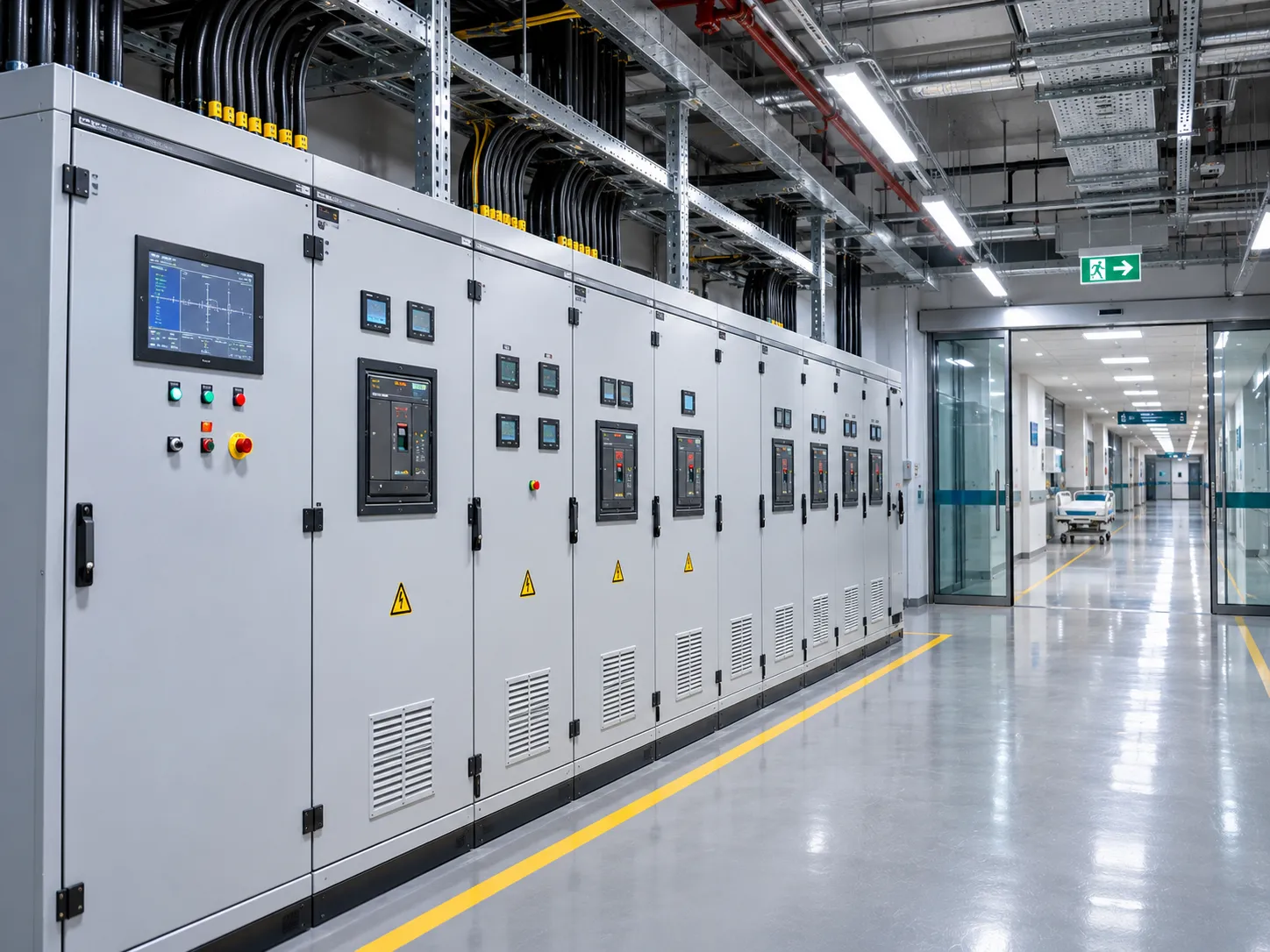
Energy analysers and communications interfaces can be added to suit the operator's monitoring infrastructure. Factory and site acceptance steps are planned to cover transfer, alarm and measurement scenarios and are recorded.

  • Energy measurement and power-quality infrastructure
  • SCADA or energy-management interfaces
  • Test transfer and alarm scenarios
  • Handover with current diagrams and test records
Continuity at a critical facility depends on verifying power sources, transfer arrangements, and distribution stages together.
  • LV distribution and transfer panels
  • Redundant supply architecture
  • Energy monitoring and reporting
  • Protection coordination
  • Generator and UPS integration
  • Emergency operating scenarios

How Does a Critical Power Project Progress?

1

Load Classification

The load list, operating priorities, and acceptable outage durations are clarified with the operations team.

2

Source and Transfer Design

Utility, generator, and UPS interfaces, along with the transfer sequence, are included in the approved single-line diagram.

3

Manufacturing and Factory Tests

Panels are manufactured according to approved project documents; inspections and tests within the scope are recorded.

4

Site Acceptance and Handover

Transfer, alarm, and measurement scenarios are verified according to the acceptance plan; records are handed over to operations.

Energy and Critical Infrastructure Frequently Asked Questions

How is supply redundancy provided at critical facilities?

Dual supply, automatic transfer and generator/UPS integration are designed together for the facility's continuity objective; transfer scenarios are tested during commissioning.

Why is protection coordination important?

It ensures that only the relevant circuit is disconnected in a fault, limiting the effect on the facility and preventing unnecessary interruptions.

Can energy consumption be reported?

When measurement infrastructure is installed, consumption, power quality and alarm history can be reported; data can be transferred to an energy-management system.

How does a UPS bypass panel support critical loads?

During UPS maintenance or certain fault conditions, it transfers the load to an alternative supply path. Transfer and interlocking arrangements are designed for the existing UPS architecture and acceptance criteria.

Can generator and utility transfer be included in the project?

Yes. Source operating sequence, load priorities, transfer conditions and any UPS interfaces can be addressed according to the approved single-line diagram and technical specification.

Can critical and non-critical loads be managed separately?

If the load list and operating scenario allow, distribution stages and transfer scenarios can be designed around these priorities. The final arrangement is subject to facility approval.

Are backup-supply scenarios tested during commissioning?

Test steps and work windows are agreed with operations. Results of applicable transfer, alarm and measurement checks are recorded.

What does Bross provide for data-centre or hospital projects?

Depending on project scope, LV distribution, transfer, UPS bypass, generator-interface and energy-measurement panels can be supplied. It should not be assumed that Bross delivers the facility's entire power infrastructure; scope is clarified at quotation stage.

What should be included in a quote request for critical infrastructure?

A single-line diagram, load list, redundancy objective, existing UPS/generator information, transfer scenarios and technical specification speed up the preliminary review.

Industry

Let's Develop Scenarios for Your Critical Loads

Tell us your outage tolerance and existing backup arrangement so we can plan transfer and bypass scenarios together.

PROJECT DISCUSSION

Let's review your project together.

Share your needs and contact information. Our team will get in touch to assess an engineering and manufacturing approach suited to your project.