
Telecommunications

Sectors

Telecommunications

Power distribution, field cabinets and control solutions for uninterrupted communications.

Continuity at communications sites starts with the right supply design

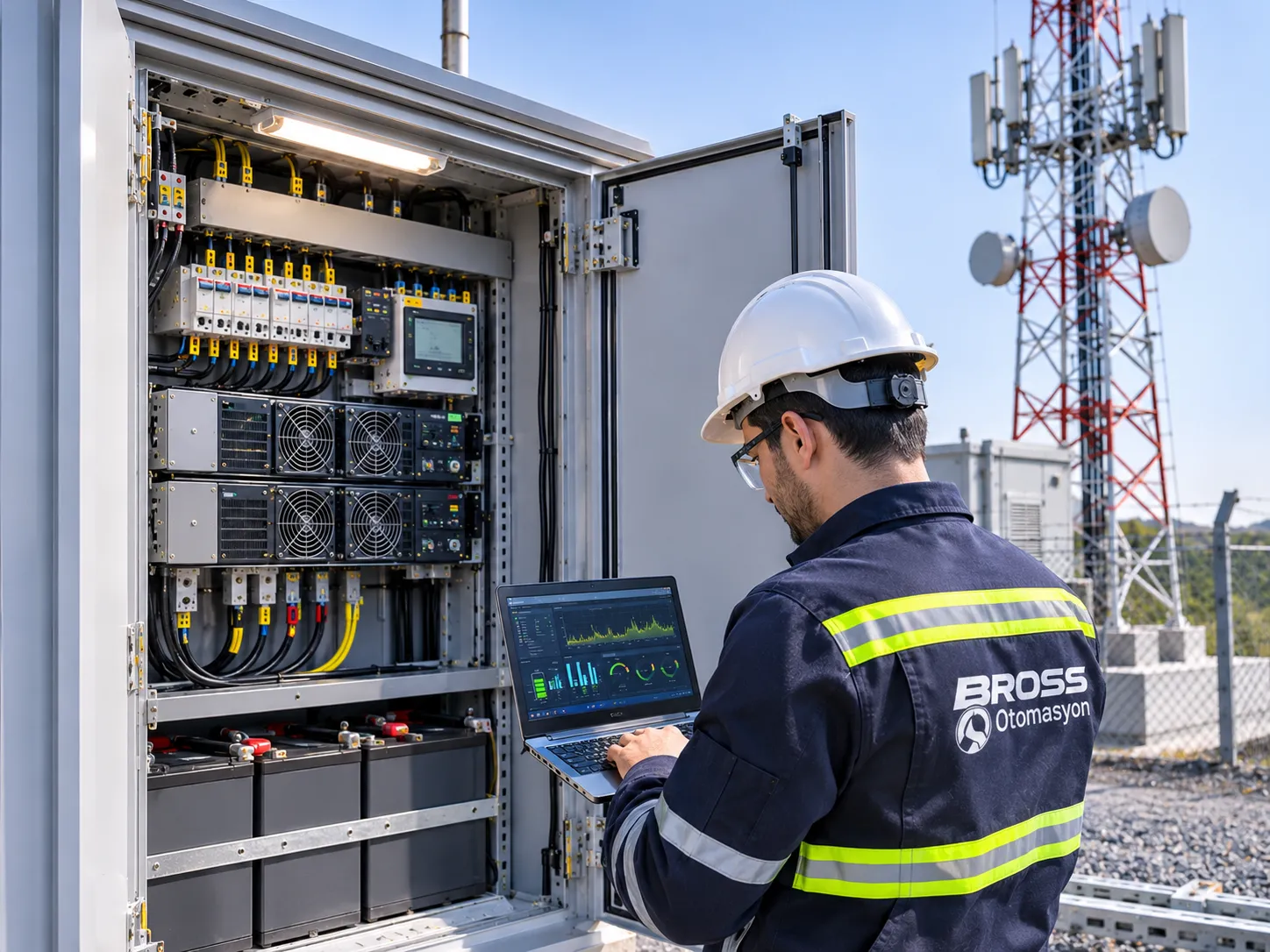
Power and redundancy

Continuity at communications sites starts with the right supply design

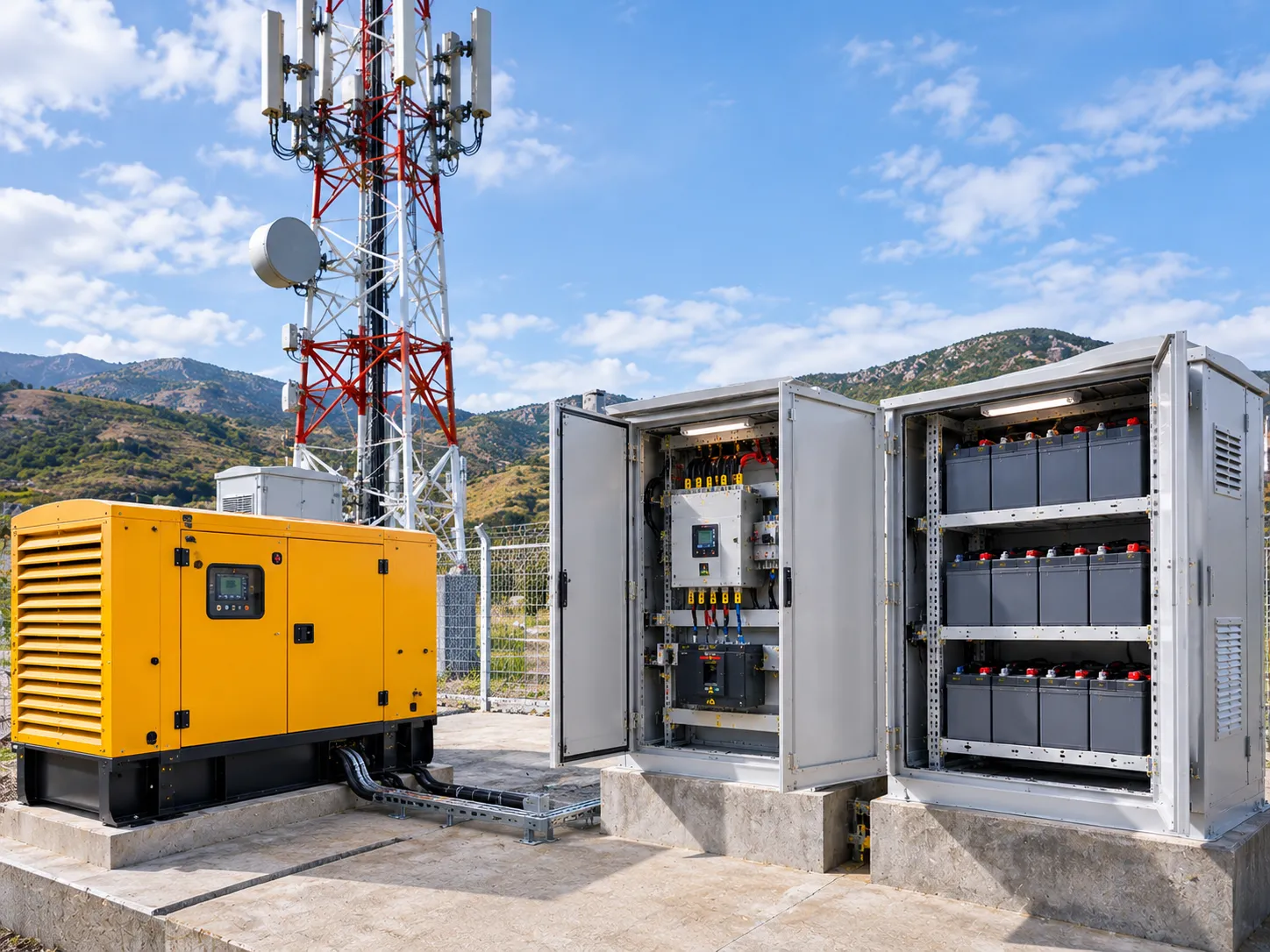
The power needs of base stations and communications sites are assessed using the existing supply, critical loads and target operating duration. AC distribution, DC power and battery interfaces are sized to the project specification.

  • Identify critical loads and supply sources
  • DC power and battery connection requirements
  • Backup-supply and transfer scenarios
  • Protection, measurement and alarm needs
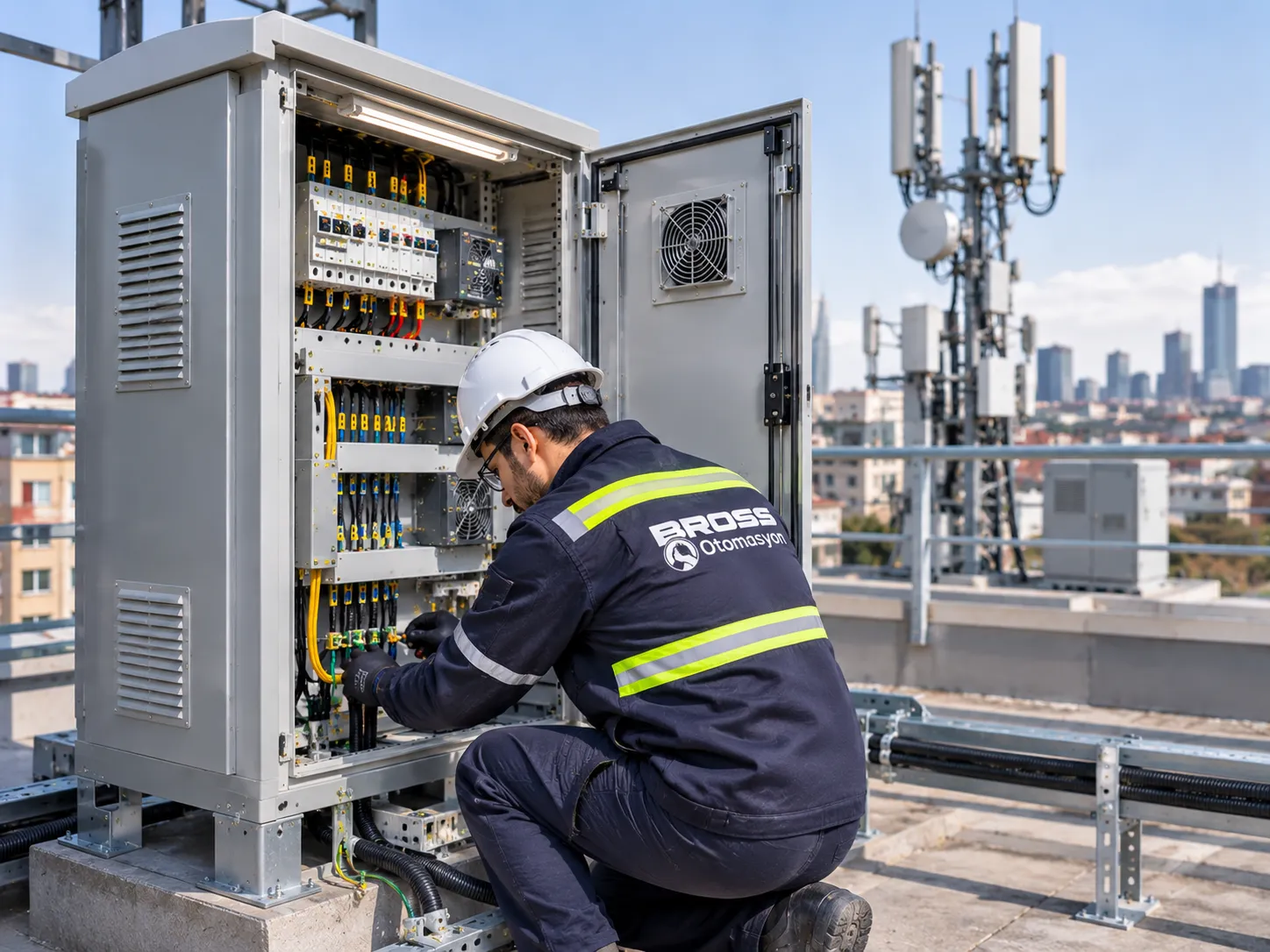
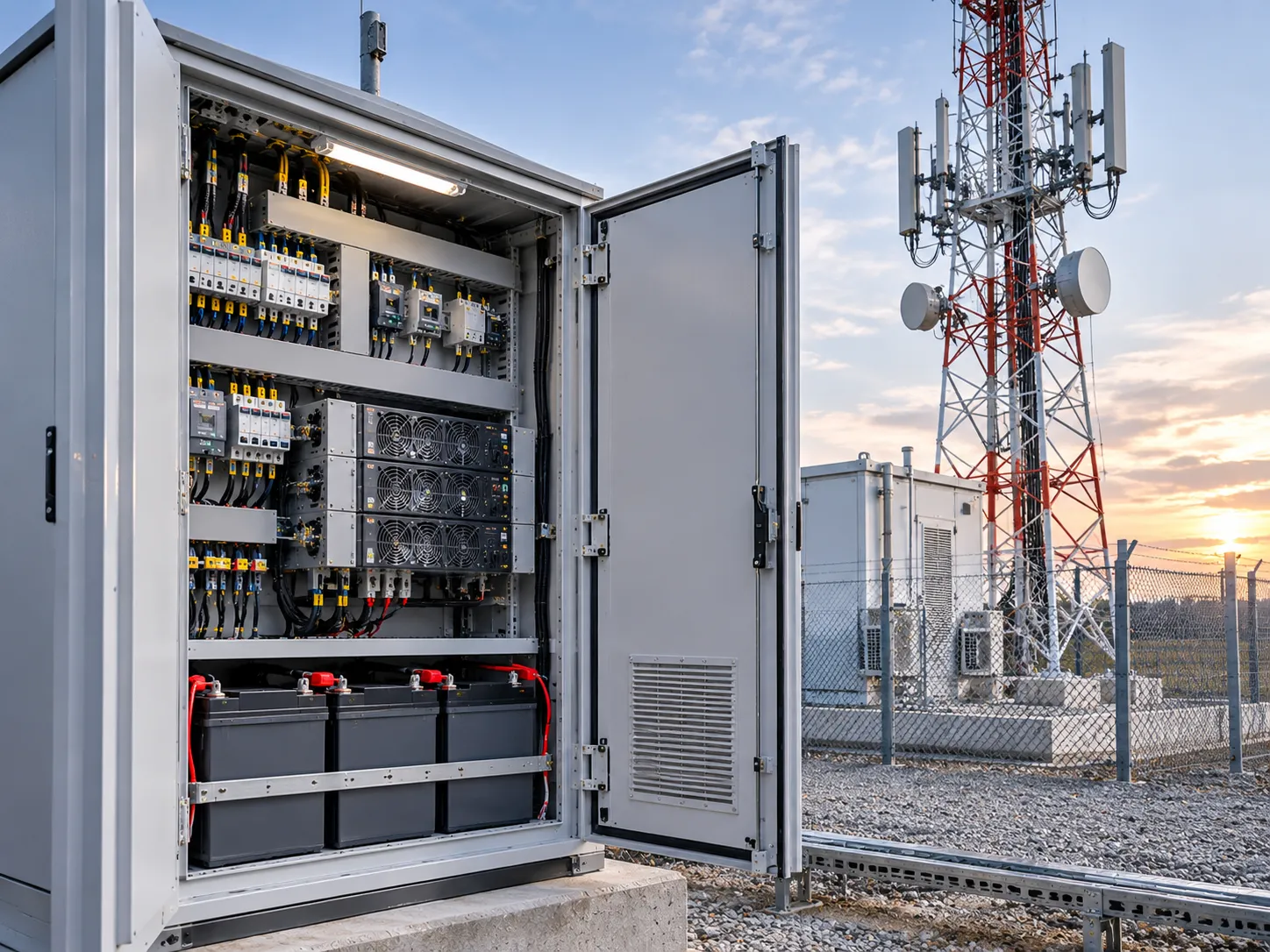
Field panels arranged for outdoor conditions

Field cabinet

Field panels arranged for outdoor conditions

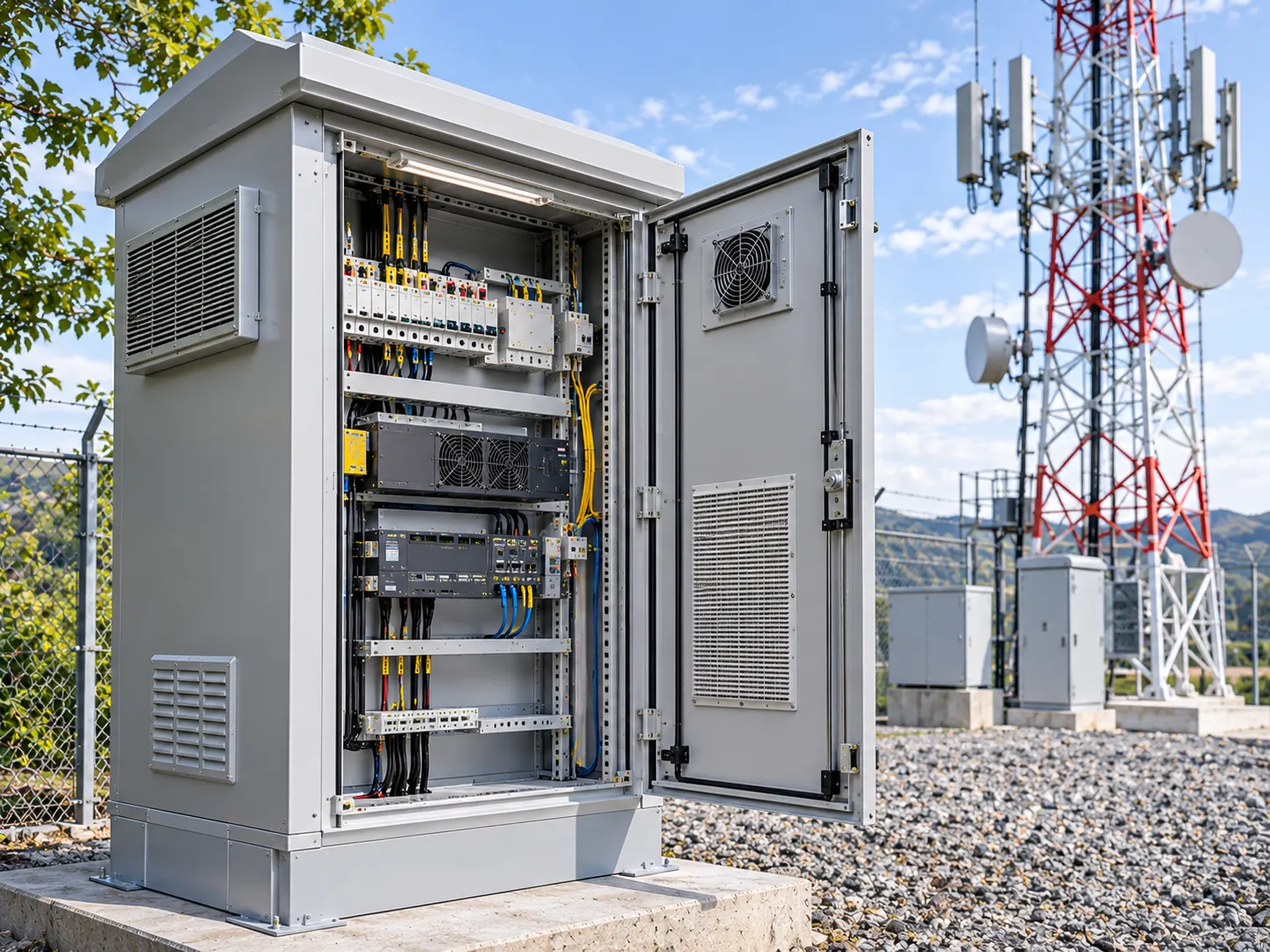
Panel layout in field cabinets is planned with regard to ambient temperature, humidity, dust, installation area and service access. Heat management, cable entries and protection-class selections are verified against the relevant site specification and equipment needs.

  • Cabinet power distribution and equipment layout
  • Ventilation or climate control suited to ambient conditions
  • Earthing and lightning-protection interfaces
  • Arrangement for maintenance and cable access
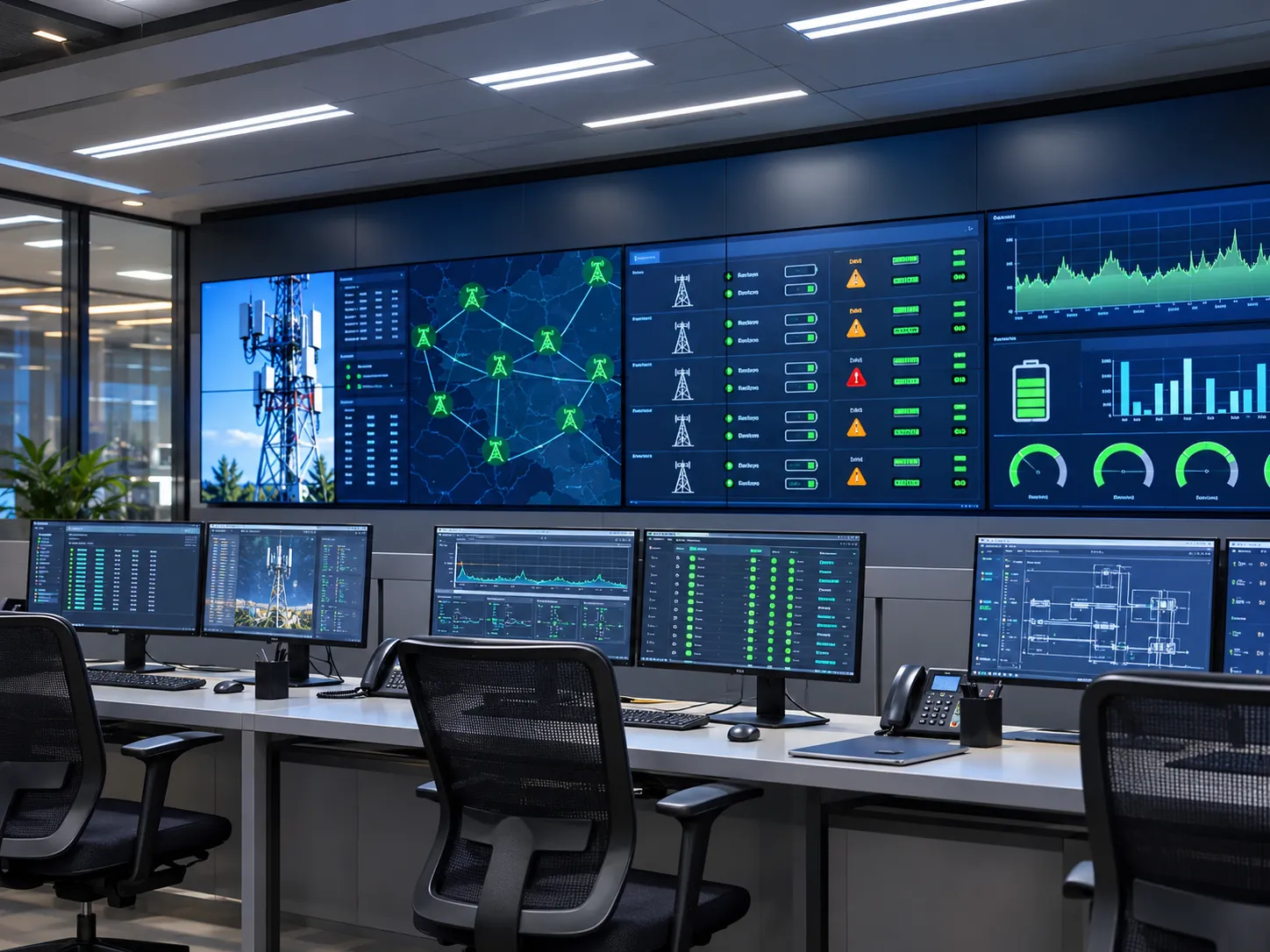
Deliver alarm and measurement data to the maintenance team

Monitoring and operation

Deliver alarm and measurement data to the maintenance team

Panel measurements and status information can be sent to a central monitoring system when suitable communications infrastructure is available. The point list, alarm thresholds and protocol are agreed with the existing operating system; maintenance and test records are included in the handover package.

  • Monitor power parameters and panel status
  • Define alarm and communications interfaces
  • Site-acceptance tests and measurement records
  • Maintenance documentation for operations
Field continuity is supported by considering the right power supply, a cabinet suited to environmental conditions, and traceable alarm interfaces together.
  • Base-station power panels
  • DC power and battery backup
  • Field cabinets
  • Remote monitoring and communications
  • Lightning protection and earthing
  • Maintenance while supporting service continuity

How Does a Field Power Panel Project Take Shape?

1

Site and Load Analysis

Power sources, critical loads, cabinet location, and environmental conditions are assessed together.

2

Power Supply Architecture

AC/DC distribution, battery interfaces, protection, and backup scenarios are defined according to the specification.

3

Panel and Cabinet Manufacturing

Equipment layout, heat management, and cable connections are completed according to the approved drawings.

4

Testing and Handover

Measurement, protection, and communication interfaces are verified and recorded according to the acceptance plan.

Telecommunications Frequently Asked Questions

How is uninterrupted power provided at base stations?

Supply is backed up with DC power systems and battery groups; critical loads are prioritised and designed to operate with a generator or UPS.

Are field cabinets suitable for outdoor conditions?

Cabinets are selected according to IP protection class, climate-control and lightning-protection needs; temperature and humidity values can be monitored.

Can the status of field equipment be monitored remotely?

Where measurement and communications infrastructure is available, power values, panel status and defined alarms can be transferred to a higher-level monitoring system. Remote-control or access requirements are separately verified with the system owner and integrator.

How are DC power and battery capacity determined?

Connected loads, required backup duration, existing DC equipment and site conditions are assessed. Capacity is verified using project documents and the technical data of the equipment involved.

Can base-station panels operate with a generator?

The generator interface, transfer arrangement and load priorities can be planned according to the facility's existing architecture and approved project scope.

Which information in a field cabinet can be monitored remotely?

Where measurement infrastructure and a communications interface are available, power values, panel status and defined alarms can be transferred to a higher-level monitoring system. The point list is agreed before integration.

Can panels be replaced at an operating communications site?

Existing supplies and connections are reviewed first. The change is planned around site-access conditions and the work window permitted by operations; transition steps are approved in advance.

What information is needed to request a telecommunications field-panel quote?

A panel list, single-line diagram, DC loads and target backup duration, cabinet ambient conditions and existing monitoring interfaces help with the preliminary review.

Which checks are performed before a field cabinet is handed over?

The checklist is determined by the project specification and may include mechanical and visual inspections, connection and protection checks, measurement/alarm interfaces and acceptance records.

Industry

Let's Plan a Solution for Your Field Infrastructure

Tell us about your base station or field cabinet needs so we can define the power, DC supply, and monitoring scope.

PROJECT DISCUSSION

Let's review your project together.

Share your needs and contact information. Our team will get in touch to assess an engineering and manufacturing approach suited to your project.