Rail Systems

Sectors

Rail Systems

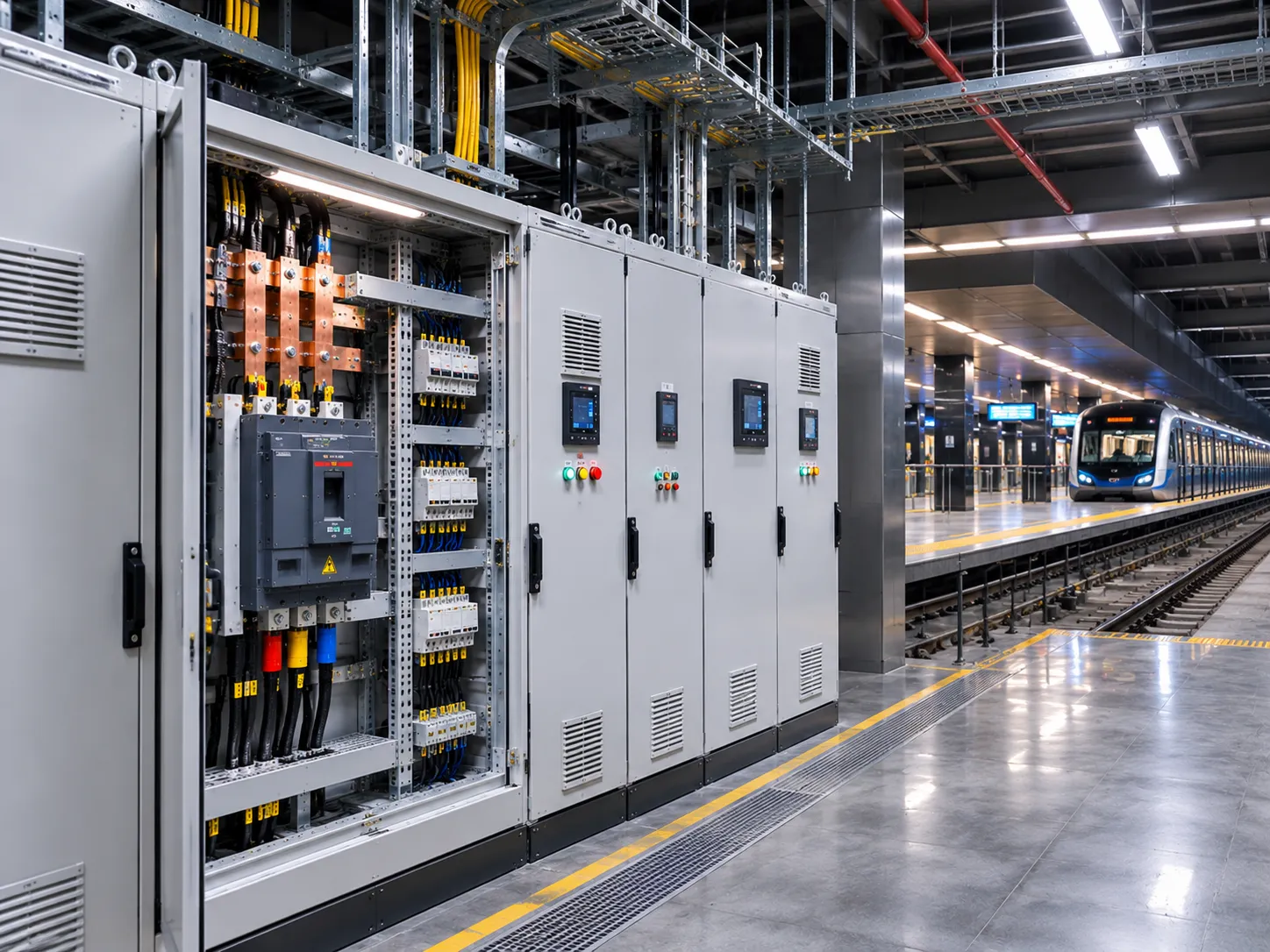
Electrical distribution and control panels for rail projects requiring high safety and continuous operation.

Controlled power distribution along the line

Supply architecture

Controlled power distribution along the line

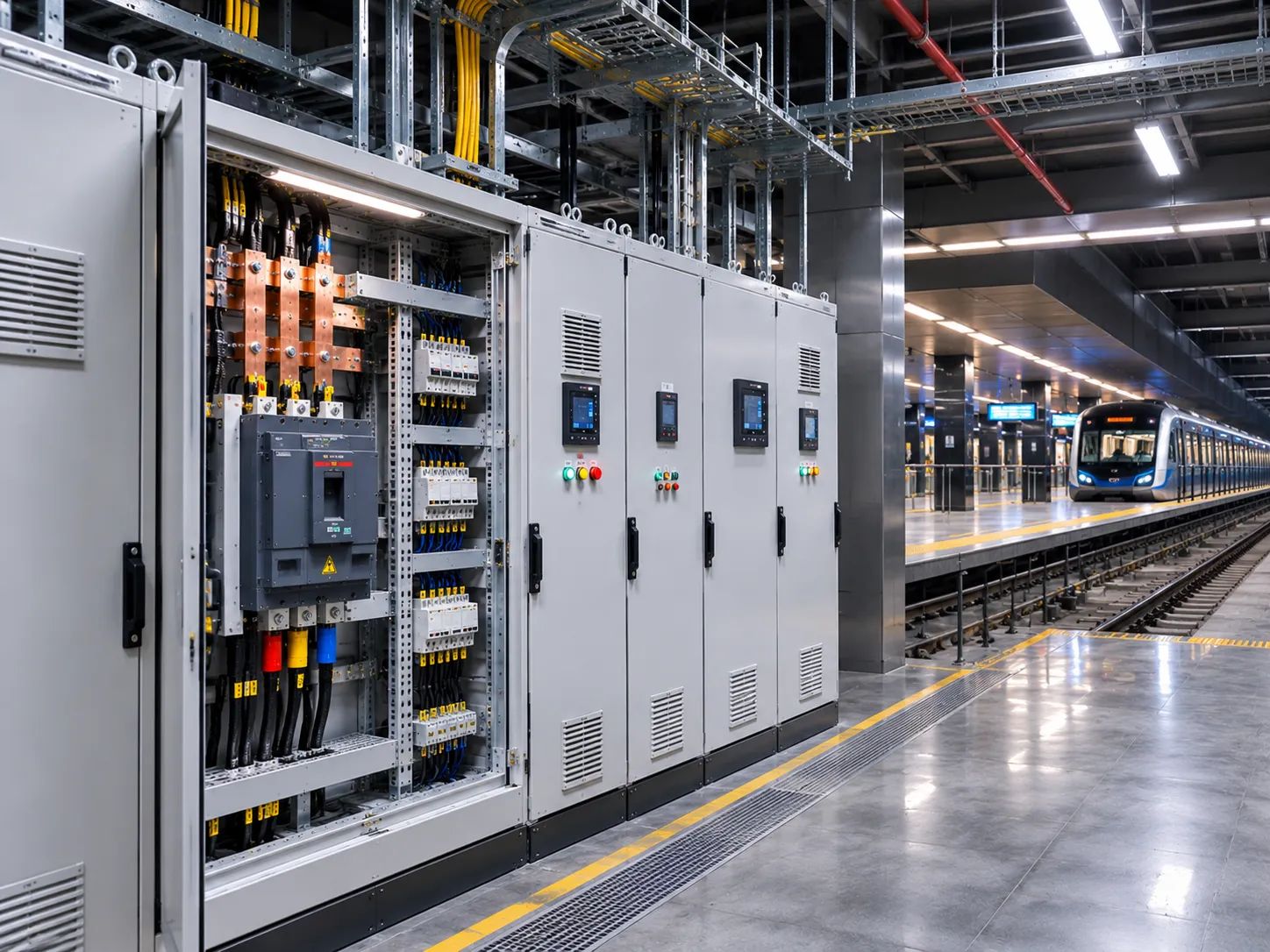
Rail-system distribution panels are engineered after assessing supply points, loads along the line and the operator's continuity requirements together. Panel scope and interfaces follow the approved specification for the relevant project.

  • Assess supply points and load profile
  • Identify critical loads and redundancy needs
  • Protection coordination and measurement infrastructure
  • Prepare approved project documents
Panel supplies for field equipment to project specification

Signalling and field cabinets

Panel supplies for field equipment to project specification

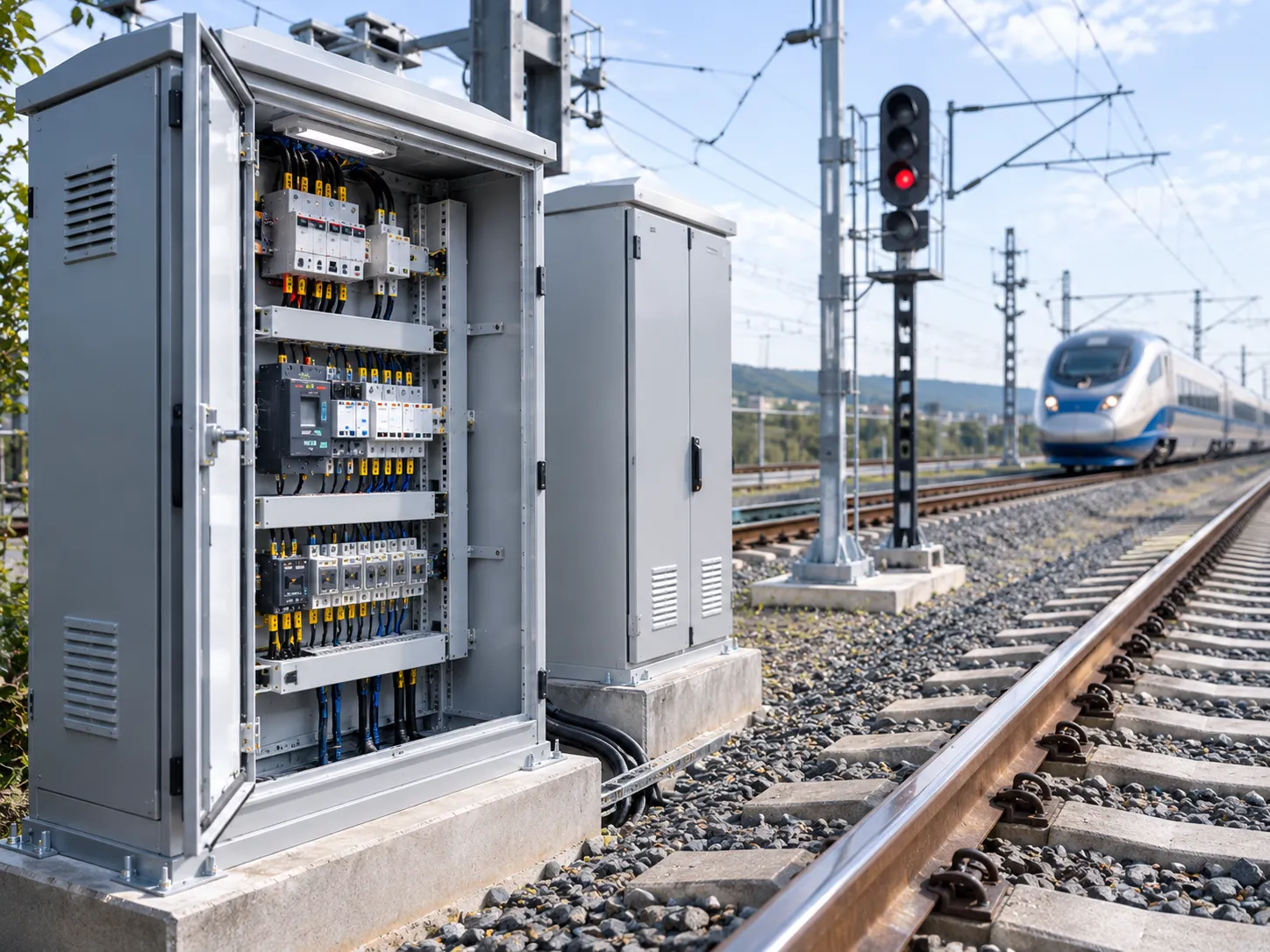
We design and manufacture the power-distribution and field panels that supply signalling systems, not the signalling systems themselves. Electrical interfaces are clarified against approved documents from the operator or system integrator.

  • Power distribution for field cabinets
  • Separate power and control circuits
  • Assess environmental conditions and maintenance access
  • Connect according to approved system interfaces
Safe handover supported by recorded tests

Testing and commissioning

Safe handover supported by recorded tests

Measurement and alarm infrastructure can be integrated with SCADA or higher-level monitoring systems according to project scope. Tests and commissioning steps are planned to the specification; results are recorded in the handover package.

  • Protection and control functional tests
  • Verify site connections
  • Check measurement and alarm interfaces
  • Test records and operations briefing
Reliable power for rail systems comes from considering the right power supply architecture, panel design suited to site conditions, and planned commissioning together.
  • Line-side power distribution panels
  • Signalling supply and backup
  • Field cabinets and climate control
  • Design for vibration and dust conditions
  • Remote monitoring and alarms
  • Commissioning and maintenance planning

How Do We Deliver a Rail Line Project?

1

Site Survey and Specification

Supply points, load profiles, site conditions, and system interfaces are clarified with the operations and project teams.

2

Distribution and Protection Design

The single-line diagram, panel layout, protection coordination, and any backup supply scenarios are prepared for approval.

3

Panel Manufacturing and FAT

Panels are manufactured according to approved drawings and the bill of materials; visual, electrical, and functional tests within the project scope are recorded.

4

Site Work, SAT, and Handover

Field connections and interfaces are checked; commissioning, test records, and operations guidance are completed with the handover file.

About Rail Systems Frequently Asked Questions

Which safety criteria are considered in rail systems?

Signalling and power distribution are kept distinct; protection coordination, redundant supply and vibration-resistant panel construction are verified against the project specification.

How is maintenance work along the line planned?

Maintenance windows are set together with the operating schedule; panels and cabinets are positioned to be accessible during those windows.

Can field equipment be monitored remotely?

Yes. Signalling and power-monitoring data can be collected at a central point; alarm and reporting scenarios are designed with operations.

How is power distribution designed for rail systems?

Supply points, load profiles, critical lines and the required redundancy level are assessed together. Panel and distribution architecture are prepared according to the relevant project specification and site conditions.

Do you manufacture power panels for signalling equipment?

Bross designs and manufactures, within project scope, the power-distribution and field panels that supply signalling systems, not the signalling systems themselves. Interfaces are determined from the approved specification of the operator or system integrator.

How is redundant supply handled in rail projects?

Redundancy needs are determined from critical loads, acceptable outage duration and available sources. Dual supply, transfer, UPS or DC solutions are selected only in line with project requirements.

Can field cabinets be prepared for outdoor conditions?

Yes. Panels and cabinets are selected to specification after assessing site conditions such as ambient temperature, dust, humidity, vibration, mounting location and maintenance access.

Can power and panel alarms be monitored remotely?

Where suitable measurement and communications infrastructure is available, power parameters and panel alarms can be transferred to SCADA or a higher-level monitoring system. Protocols and interfaces are agreed with the existing system.

Which tests are performed on rail-system panels?

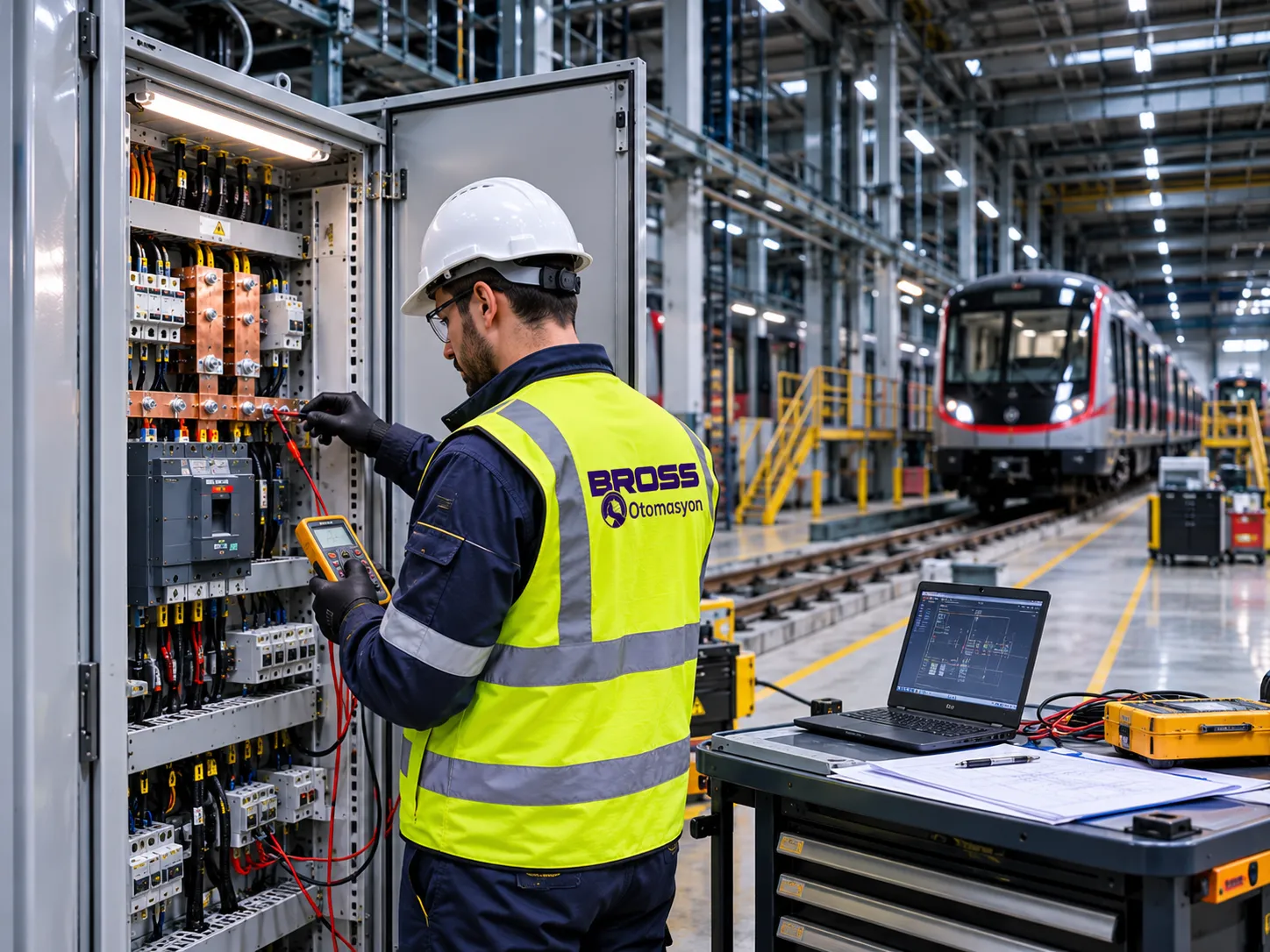
Test scope is determined by the project specification. Visual and mechanical inspections, electrical continuity and insulation measurements, and functional tests of protection and control circuits can be planned; results are recorded in the handover package.

Can panels be replaced at existing rail-system facilities?

Yes. Existing supplies, loads, connections and outage windows are reviewed first. Replacement or capacity increase is designed in stages according to a transition plan approved by the operator.

Which technical documents are provided at handover?

Depending on project scope, current diagrams, equipment and connection information, test records and maintenance notes are included in the handover package. The final document list is agreed at quotation and technical-specification stages.

What information is needed to request a quote for a rail-system project?

If available, the technical specification, single-line diagram, panel list, load information, site conditions and target delivery schedule speed up the preliminary review. A site survey can be planned for missing documents.

Industry

Technical Discussion for Your Rail Systems Project

Share your project specification and site conditions so we can review the power distribution and control scope together.

PROJECT DISCUSSION

Let's review your project together.

Share your needs and contact information. Our team will get in touch to assess an engineering and manufacturing approach suited to your project.